Applying Resonance in Everyday Environments
Understanding how visual environments influence the human system is the first step. The next step is application. The Atlas Resonance tools provide practical ways to introduce visual coherence into homes, workspaces, and shared environments. Each tool is designed to help align artwork, environment, and human perception so that spaces become more supportive of clarity, balance, and well-being.
Some tools focus on the environment itself. Others focus on the relationship between a person and the artwork they experience. Together they provide a simple framework for creating resonant spaces.
TOOLS


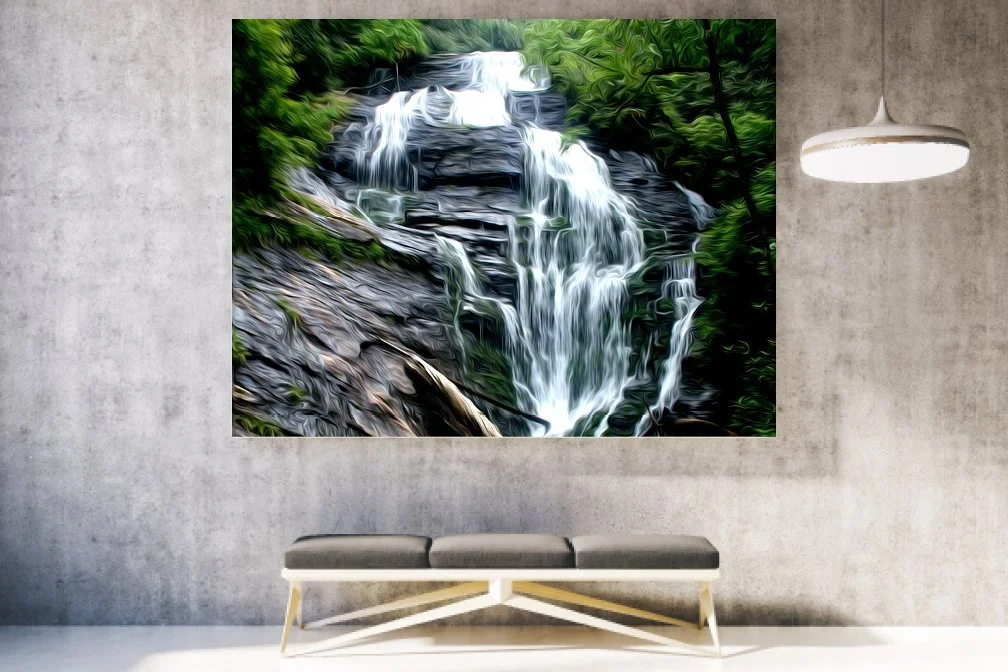
Atlas Resonant Art is selected and placed to function as an environmental anchor. Pattern, color relationships, and visual structure organize the surrounding space and provide a stable reference point for the eye. When the visual field becomes more coherent, the nervous system can process the environment with greater ease. Often one well-chosen artwork is enough to shift the experience of an entire room.
ATLAS RESONANT ART
ART EXHIBITS
FREQUENCY ANCHORS
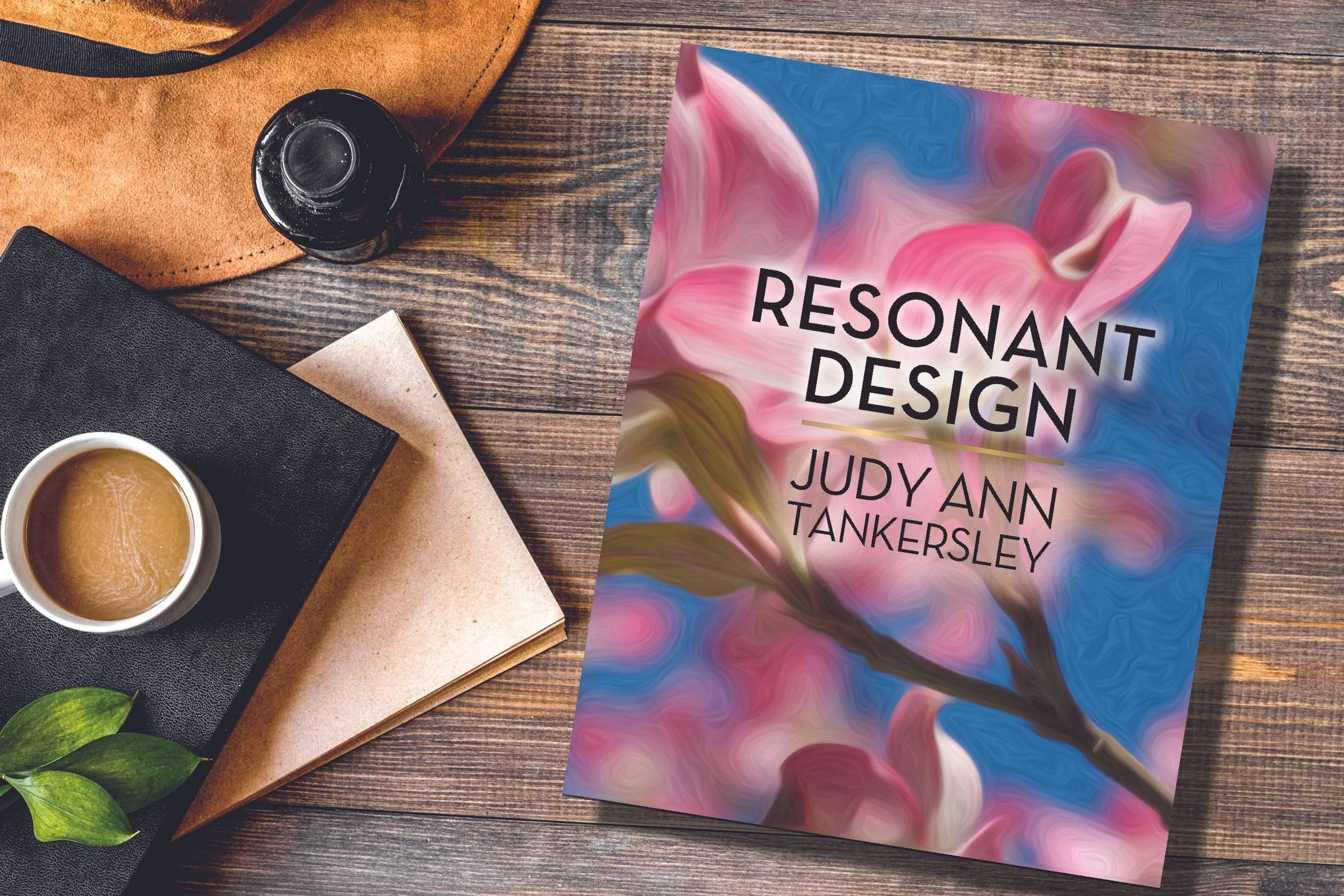
RESONANT DESIGN BOOK
Some environments require a more personal focal point. An Atlas Frequency Anchor is a smaller artwork— often placed within a workspace, reading area, or personal environment where sustained attention is needed. Because the eye returns repeatedly to what lies within the immediate field of view, a small visual anchor can help stabilize attention and support mental clarity during periods of focused activity.
A Resonant Art Exhibit presents a single artwork accompanied by informational materials describing the Atlas Resonance framework. A Resonant Art Exhibition presents a curated group of works designed to explore resonance through multiple visual expressions. These exhibits allow visitors to experience how art can influence the atmosphere of a space and invite quiet reflection within busy environments.
Resonant Design introduces a guided way of engaging with artwork. The book presents a simple twelve-minute process that encourages viewers to slow down and observe visual structure more intentionally. The book can be used individually, shared as a gift, or placed in environments such as offices, waiting rooms, or healthcare facilities where people may benefit from a quiet moment of visual engagement.

PERSONAL ANALYSIS
SPACE ANALYSIS
A Space Analysis identifies the type of Resonant Art most likely to bring coherence to a particular environment. By evaluating the visual characteristics of the space, this process removes guesswork and helps ensure that the selected artwork strengthens the environment rather than competing with it.
A Personal Frequency Analysis explores which types of Resonant Art best support an individual’s optimal resonance frequency. The goal is to identify artwork that aligns with the viewer’s natural patterns of perception and supports emotional balance and attention.
Explore the next section that introduces a simple way to engage with art that supports resonance.

Featuring:
TOURNESOL
TOURNESOL belongs to the Truth of the Country collection, illustrating the essence of a leisurely afternoon drive through the picturesque countryside, where time slows down.
TOURNESOL resonates at 1107 Hz. This frequency resonates with the connective energy of Compassion — a state of being that supports empathy, understanding, and deep emotional attunement. This frequency allows the system to remain regulated and centered while responding to others with genuine care.